Everything You Need to Know About Bed Bugs: Understanding Heat Treatment for Effective Removal
Bed bugs are notorious for their ability to invade homes and disrupt lives. Recognizing their habits and the indicators of an infestation is essential for homeowners. Within the range of extermination approaches, heat treatment distinguishes itself as a potent, chemical-free remedy. It thoroughly eliminates all developmental stages of these unwanted pests. Proper preparation is crucial to its effectiveness, yet many homeowners neglect important steps prior to treatment. copyrightining these factors can shed light on how to address this ongoing issue.
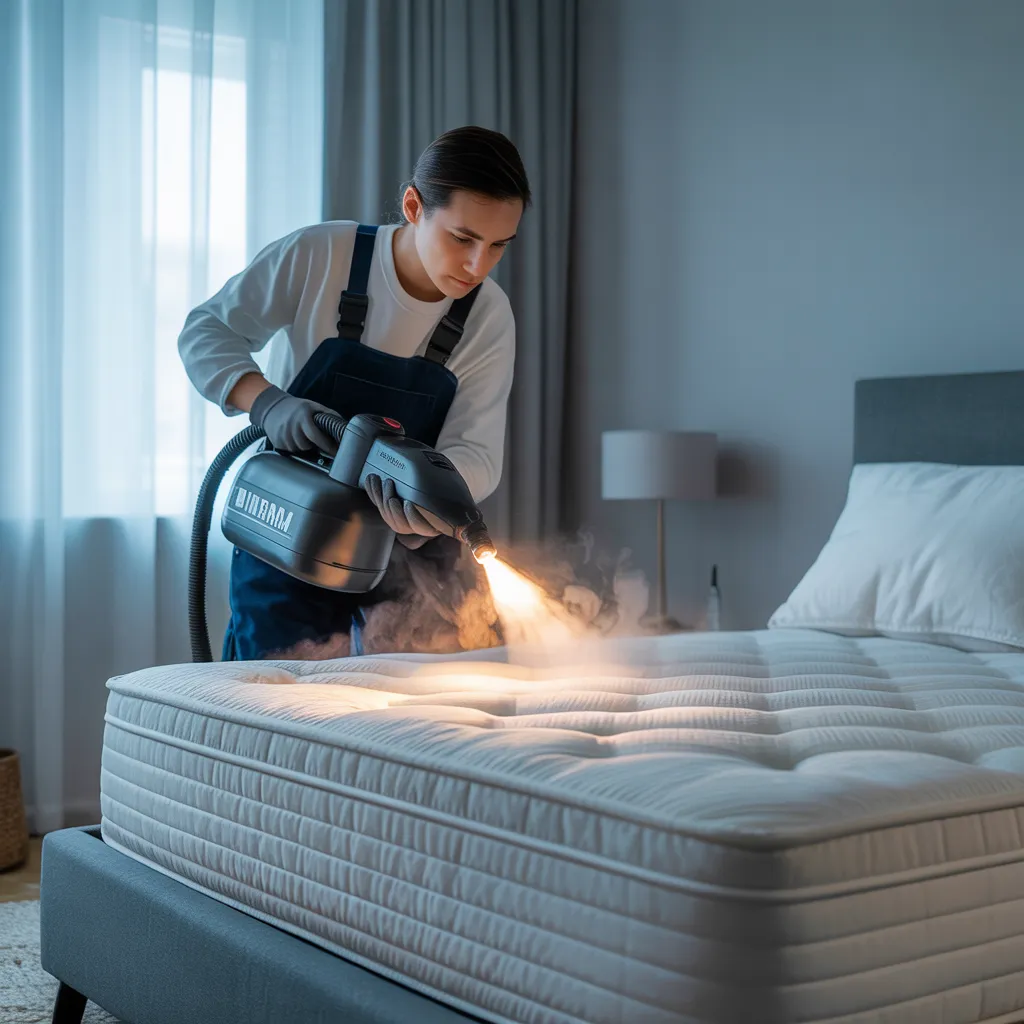
Understanding Bed Bugs and How They Infest Your Home?
Bedbugs, tiny night-dwelling insects classified under the Cimex genus, have become notorious for their capacity to invade homes and disrupt lives. These creatures are skilled at traveling on luggage, clothing, and furnishings, rendering them widespread nuisances throughout city settings. Once inside, bed bugs tend to hide within small gaps and tight spaces, especially near beds and upholstered furniture, where they can remain hidden during the day.
Their ability to reproduce rapidly increases their infestation risk; female bed bugs are capable of producing hundreds of eggs throughout their lifespan, resulting in swift population expansion. Bed bugs flourish in warm, dimly lit spaces, enabling them to remain near their main food source—human blood. Their stealthy behavior and resilience make early detection challenging, commonly causing large-scale infestations before property owners recognize the concern. Understanding their habits is essential for effective prevention and treatment strategies.
How to Identify a Bed Bug Infestation: Key Signs to Notice
Detecting a bed bug infestation in its early stages is essential for successful management. Homeowners should watch carefully for particular indicators of their presence. Frequent indicators consist of dark, reddish-brown stains on bedding or furniture, which are excrement left by the insects. In addition, molted exoskeletons, commonly located near their concealment spots, suggest that bed bugs are developing.
Skin bites, typically in clusters or lines, may occur as bed bugs feed during the night. These marks can lead to discomfort and irritation, prompting further investigation. A musty odor can also emanate from affected areas, caused by bed bug secretions.
Checking seams of mattresses, headboard surfaces, and in cracks of furniture is critical, as these are favored hiding spots. Prompt identification allows for prompt treatment, avoiding a widespread infestation that could lead to significant remediation work.
Understanding How Heat Treatment Eliminates Bed Bugs
Successful treatment of a bed bug infestation necessitates familiarity with the approaches start here available for eradication. Heat treatment is a widely recognized approach, applying high temperatures to eradicate these pests. The treatment involves raising the temperature of contaminated zones to between 120°F and 140°F, successfully infiltrating walls, furniture, and other hiding spots where bed bugs reside.
Bed bugs have a significant weakness to heat; subjecting them to temperatures over 113°F for as little as 90 minutes eliminates them at all stages of development. This technique additionally addresses eggs, which are widely recognized for being difficult to eliminate. Throughout the heat treatment process, professional equipment ensures uniform heat distribution, eliminating cold spots where bed bugs could potentially survive.
In addition, heat treatment is chemical-free, making it a green option for pest control. By disrupting the bed bugs' life-sustaining processes, heat treatment not only removes present infestations but also helps in preventing recurring infestations.
How Heat Treatment Stands Out as the Ultimate Bed Bug Solution
Heat treatment is recognized as the premier solution for eliminating bed bugs because of its capacity to target and destroy pests at every life stage, including eggs. In contrast to chemical treatments, which can fail to eliminate all bugs, heat infiltrates furniture, cracks, and crevices, ensuring complete coverage. The technique requires increasing the temperature of the infested space to a lethal range, usually maintained between 120°F and 140°F, efficiently eliminating bed bugs upon contact. This technique does away with the need for repeated applications, minimizing the likelihood of resistance developing. Additionally, heat treatment is environmentally friendly, because it limits exposure to harmful chemicals. Its speed is another advantage; most treatments can be completed in a single day, allowing for a quick return to normalcy. In summary, heat treatment's comprehensiveness, effectiveness, and safety position it as a top choice for homeowners in search of reliable bed bug remedies.
Preparing for Bed Bug Heat Treatment
Preparing for bed bug heat treatment necessitates thorough preparation to confirm the process is successful. Homeowners should begin by decluttering the affected areas, eliminating objects that could block heat penetration. All garments, linens, and personal possessions should be cleaned in hot water and dried at high temperatures to remove any remaining bed bugs. It is critical to perform a thorough vacuuming, focusing carefully on small openings and corners where bed bugs might hide.
Furthermore, pets need to be taken out during the heat treatment, and plants should be moved outside to protect them from the elevated temperatures. Electronic devices, such as televisions and computers, should be relocated or shielded to shield them from the effects of heat. To conclude, homeowners should ascertain that the treatment space is reachable, enabling technicians to perform their work effectively. Proper preparation not only enhances the effectiveness of the heat treatment but also minimizes the risk of re-infestation.
Frequently Asked Questions
Can Bed Bugs Survive Extreme Cold Temperatures?
Bed bugs are unable to withstand extremely cold temperatures. When subjected to temperatures below 0°F (-18°C) for several days, all life stages are effectively eliminated, including eggs, ensuring complete eradication of these pests from infested areas.
What Is the Typical Duration of Heat Treatment?
Heat treatment usually needs approximately six to eight hours to effectively eliminate bed bugs. The time frame may differ depending on the severity of the infestation and the specific methods employed by professionals during the process.
Are There Health Risks Linked to Heat Treatment?
There are minimal health risks associated with heat treatment for bed bugs. Safety is guaranteed when the process is carried out properly, but people who have respiratory conditions or sensitivities could face short-term discomfort. Speaking with experts can help address any potential concerns.
Will Heat Treatment Damage My Furniture or Belongings?
Thermal treatment may potentially harm specific furniture items and possessions, especially items sensitive to high temperatures. It is advisable to take out or safeguard vulnerable items prior to treatment to minimize any risk of heat-related damage.
How Often Should I Inspect for Bed Bugs After Treatment?
Following treatment, bed bug inspections should occur on a monthly basis for no less than six months. Regular checks assist in identifying any possible reinfestation promptly, allowing for effective management and maintaining a pest-free environment for residents.